
Resources

Fire Safety Resources & Expert Insights

At North Tech Life Safety, we believe that informed clients make safer decisions. This resource center is designed to help you understand more about fire alarm systems, safety regulations, and maintenance best practices. Whether you’re a building owner, contractor, or property manager, you’ll find valuable information here to keep your systems compliant and your people safe.
Educational Articles

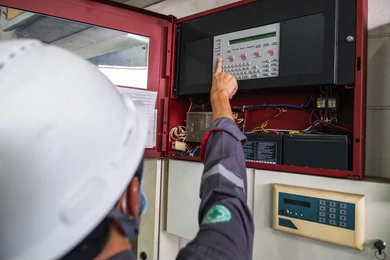
The Importance of Regular Fire Alarm Maintenance

This practice prevents costly emergency repairs, minimizes false alarms, and extends the life of the system by identifying and fixing minor issues before they cause
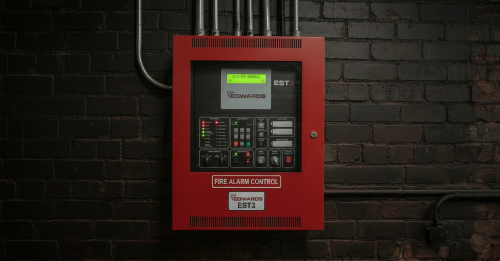
Top 5 Signs Your Fire Alarm System Needs Servicing

The top five signs your fire alarm system needs servicing are continuous or erratic chirping/beeping, frequent false alarms, failure to sound during a test, physical
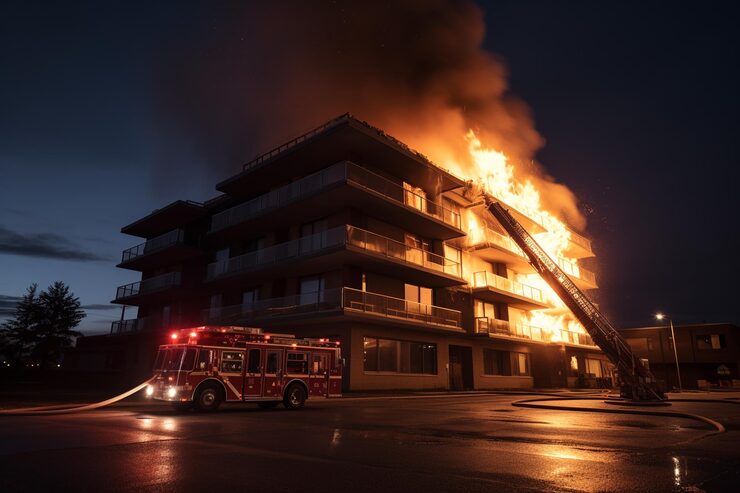
Fire Code Compliance in Commercial Buildings

Fire code compliance for commercial buildings involves maintaining exits, life safety equipment, and fire protection systems, in addition to creating and practicing fire safety plans.
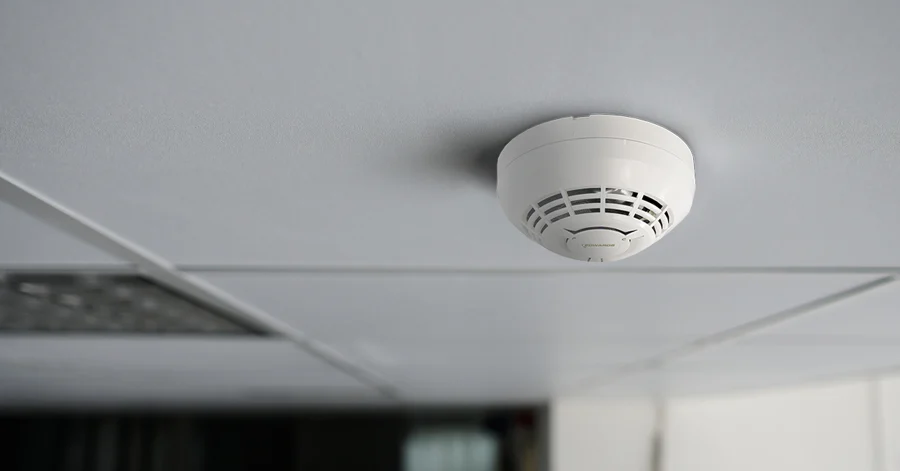
Understanding Fire Alarm System Types

Two types of fire alarm systems commonly found in commercial buildings are addressable systems and conventional systems. The main difference in these two systems is

Testimonials

Frequently Asked Questions

How often do I need to test my fire alarm system?

You should test your fire alarm system monthly by pressing the test button and, for battery-powered alarms, replace batteries at least once a year. A professional inspection and more thorough testing are required annually to ensure the entire system is functioning correctly. 

Monthly

  • Press the test button: For individual smoke detectors, press the test button to ensure the alarm sounds.
  • Check the control panel: Look for any trouble or supervisory signals on the main control panel. 

Annually

  • Professional inspection: A qualified technician should perform a comprehensive inspection of all system components, circuits, and functions.
  • Full system test: This test includes a thorough check of detectors, backup power, and signaling devices. 

Other important maintenance

  • Replace batteries: Change batteries at least once a year, or immediately if the low-battery warning sounds.
  • Vacuum alarms: Clean alarms with a vacuum and soft brush annually to remove dust, which can clog them.
  • Keep records: Document all tests, inspections, and corrective actions taken. 

A fire alarm inspection includes a comprehensive evaluation of all system components, such as testing smoke and heat detectors, pull stations, and audible/visual alarms. Inspectors also check the control panel, backup batteries, and ensure the system is compliant with all safety regulations. 

What is checked

  • Detectors: Smoke, heat, and duct detectors are tested to ensure they activate properly.
  • Control Panel: The control panel is inspected for any trouble signals, power supply issues, and to confirm all devices are communicating correctly.
  • Manual Pull Stations: Each pull station is physically activated to verify it sends the correct signal.
  • Audible and Visual Alarms: Horns and strobes are tested to ensure they are loud, clear, and visible throughout the building.
  • Batteries: Backup batteries are checked for leaks, corrosion, and functionality, especially for maintaining power during an outage.
  • Electrical Connections: All electrical connections are inspected for security and proper operation.
  • General System: Inspectors look for any physical damage, check for obstructions to alarms, and verify proper signage. 


What’s the difference between monthly and annual inspections?

  • Monthly Inspections: A basic, visual check performed by building staff to identify any obvious damage, check for obstructions, and ensure the control panel indicator lights are working.
  • Annual Inspections: A more thorough, comprehensive inspection performed by a certified technician that includes functional testing of all system components under simulated emergency conditions. 

To determine if your residential fire alarm system is up to code in Canada (specifically focusing on Ontario requirements which are based on national codes), you should verify the maintenance, location, type, power source, and age of your alarms.

1. Check the Basics & Maintenance

    • Test Monthly: Press the test button on each alarm monthly to ensure the alarm sounds.
    • Check Expiry Date: Smoke alarms do not last forever. They must be replaced every ten years from the date of manufacture (found on the back of the unit).
    • Replace Batteries: For alarms with replaceable batteries, replace them at least once a year, or when the unit “chirps” (indicating a low battery). Always follow the manufacturer’s instructions for the correct battery type. Hardwired units usually have a sealed, non-replaceable battery backup designed to last the life of the alarm.
    • Clean Regularly: Dust and debris can interfere with functionality, so vacuum the alarm’s sensing chamber annually.

2. Verify Location and Type Requirements

The requirements vary slightly depending on when your home was built, as codes have evolved.

Home Built Location RequirementsPower & Interconnection Requirements
After ~2014/2015Alarms must be in every bedroom, outside each sleeping area, and on every storey (including the basement).Must be hardwired, interconnected (when one sounds, they all sound), have a battery backup, and include a visual strobe light.
~1990 – 2014Alarms must be on every storey and outside all sleeping areas.Must be hardwired and interconnected. Battery backup was not originally required but is recommended.
Before ~1990Alarms are required on every storey and outside all sleeping areas.Can be battery-operated or hardwired; interconnection may not be mandatory.

3. Confirm Carbon Monoxide (CO) Alarms are Present 

If your home has an attached garage or a fuel-burning appliance (e.g., furnace, fireplace, gas stove, water heater), you must have CO alarms.

  • Location: Required outside each sleeping area, within 5 meters (approx. 16 feet) of each bedroom door.
  • Future Code Change: Note that as of January 1, 2026, additional CO alarm detection will be required in residential occupancies in Ontario.


4. Ensure Proper Certification and Standards 

  • Your alarms must be certified by a reputable company and conform to CAN/ULC-S531 standards. Check the product label for certification marks.
  • The alarms must be installed according to the manufacturer’s instructions to ensure correct placement (e.g., avoiding placement too close to bathrooms, windows, or heating appliances)

5. Consult a Professional

If you are unsure about your home’s compliance, especially if you have a large home, a complex system, or a rental property, it is best to contact your local fire department or a qualified fire alarm technician. They can perform an inspection to determine if your system meets current local codes and standards.

If a fire alarm inspection fails, the owner will typically receive a notice of violation and a deadline to make corrections. Consequences can include fines, re-inspection fees, potential business disruption or closure, increased insurance premiums, and legal liability. 

Immediate and short-term consequences

  • Notice of violation: An inspector will issue a formal notice detailing the issues that need to be corrected.
  • Deadline to correct issues: You will be given a specific timeframe to fix the identified problems.
  • Re-inspection fee: If an inspector has to return to verify the fixes, there may be a re-inspection fee, which can increase or become a permanent charge if violations are not corrected on the first re-inspection.
  • Imposition of fines: Failure to correct issues can result in fines, which may be costly and increase with repeated violations. 


Long-term and severe consequences

  • Business disruption: If the violation poses an immediate safety threat, officials may require you to close all or part of your business until the issues are fixed.
  • Increased insurance costs: Failing an inspection can lead to higher insurance premiums, and in extreme cases, cancellation of coverage.
  • Legal liability: If a fire occurs and the business is found to be non-compliant, owners could face lawsuits, regulatory action, or even criminal charges.
  • Reputational damage: Public records of fire safety violations can negatively impact a business’s reputation and customer confidence. 

Safety Tips

  • Test alarms monthly.
  • Keep panels free from obstruction.
  • Schedule annual inspections with a certified technician.
  • Ensure staff or tenants know how to respond to alarms.
Systems Inspected
0 +