
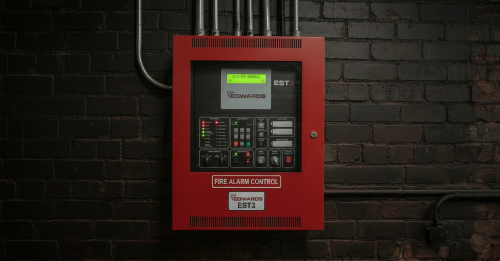
The top five signs your fire alarm system needs servicing are continuous or erratic chirping/beeping, frequent false alarms, failure to sound during a test, physical damage or discoloration, and a lack of recent professional maintenance. A system that isn’t working correctly puts occupants at risk, so it’s crucial to address these issues promptly.
1. Continuous or erratic chirping/beeping
- What it means: A consistent “chirp” or “beep” often indicates a low battery, but it can also signify a faulty sensor or part.
- Action: Replace the batteries. If the noise continues, the alarm needs a professional inspection or replacement.
2. Frequent false alarms
- What it means: Repeated, non-emergency alarms from the system suggest a malfunction, dust buildup, or other issues with sensors or wiring.
- Action: Have a professional technician inspect the system to find and fix the root cause.
3. Failure to sound during testing
- What it means: If the alarm does not sound when you press the test button, or fails to activate in a real emergency, it’s a serious malfunction.
- Action: Do not ignore this. This could be due to a faulty component, power supply issue, or connection problem that requires immediate professional attention.
4. Physical damage or discoloration
- What it means: Visible damage such as cracks, missing parts, or a yellowed casing indicates aging or heat exposure.
- Action: Discoloration can mean the sensor is compromised, and any physical damage could affect its sensitivity. The unit likely needs to be replaced.
5. Lack of recent professional maintenance
- What it means: Fire alarm systems need regular, professional servicing to ensure they function correctly. Skipping scheduled maintenance can hide underlying problems.
- Action: Adhere to the recommended maintenance schedule. According to some standards, this means professional servicing at least once a year, with more frequent checks for certain high-risk buildings.